

Tennis is full of remarkable stats. Roger Federer, winner of 20 Grand Slams and who some consider the GOAT, retired on 54% total points won. The crazy thing is: that isn’t even unusual. Despite the greatest players’ success over decades, most of their matches are won by very small margins. And even when a player wins a match, it doesn’t mean they won most of the points.
At Roland Gaross this year, Joao Fonseca beat Novak Djokovic with extraordinary groundstrokes, continually landing lightning-fast forehands and backhands on the lines. At times, 24-time Slam winner Djokovic looked bewildered. Many critics hailed the performance as the day Fonseca truly announced himself on the biggest stages. But Djokovic won more points. Fonseca won the gruelling contest in five sets – 4-6, 4-6, 6-3, 7-5, 7-5 – but Djokovic won 51% of total points played: 168 of 331.
In soccer, a team could dominate possession 70:30, have 15 shots on target to the other’s single one, and still lose. If anything, these kinds of imbalances seem to have become more common as the so-called “Big 5” European leagues of England, Spain, Italy, Germany and France have morphed into two or several giants playing against a group of lesser teams with considerably smaller budgets (and squads, in many cases).
In the particularly weird 2020-21 English Premier League season, which was partly played to empty stadiums during the pandemic, Aston Villa beat Liverpool 7-2 with 30% possession. As one fan writing to The Guardian pointed out, that was a goal for every 4.29% possession. Anyone studying the live possession stats for soccer bets would have been stunned to find that Liverpool finished the match as losers.
Many bettors believe that expected goals (xG) is a much better indicator of a team’s chances of winning. And of course, a shot happens in a split second. You can’t gauge a soccer match by watching 60 minutes of it and disregarding the rest. In that Villa-Liverpool game, the latter had the vast majority of the ball, but the home side had 18 shots to 14, and 11 to 8 on target. Matches are decided by moments: if Villa’s keeper, Emiliano Martinez, hadn’t made 6 saves, the tide might have turned.
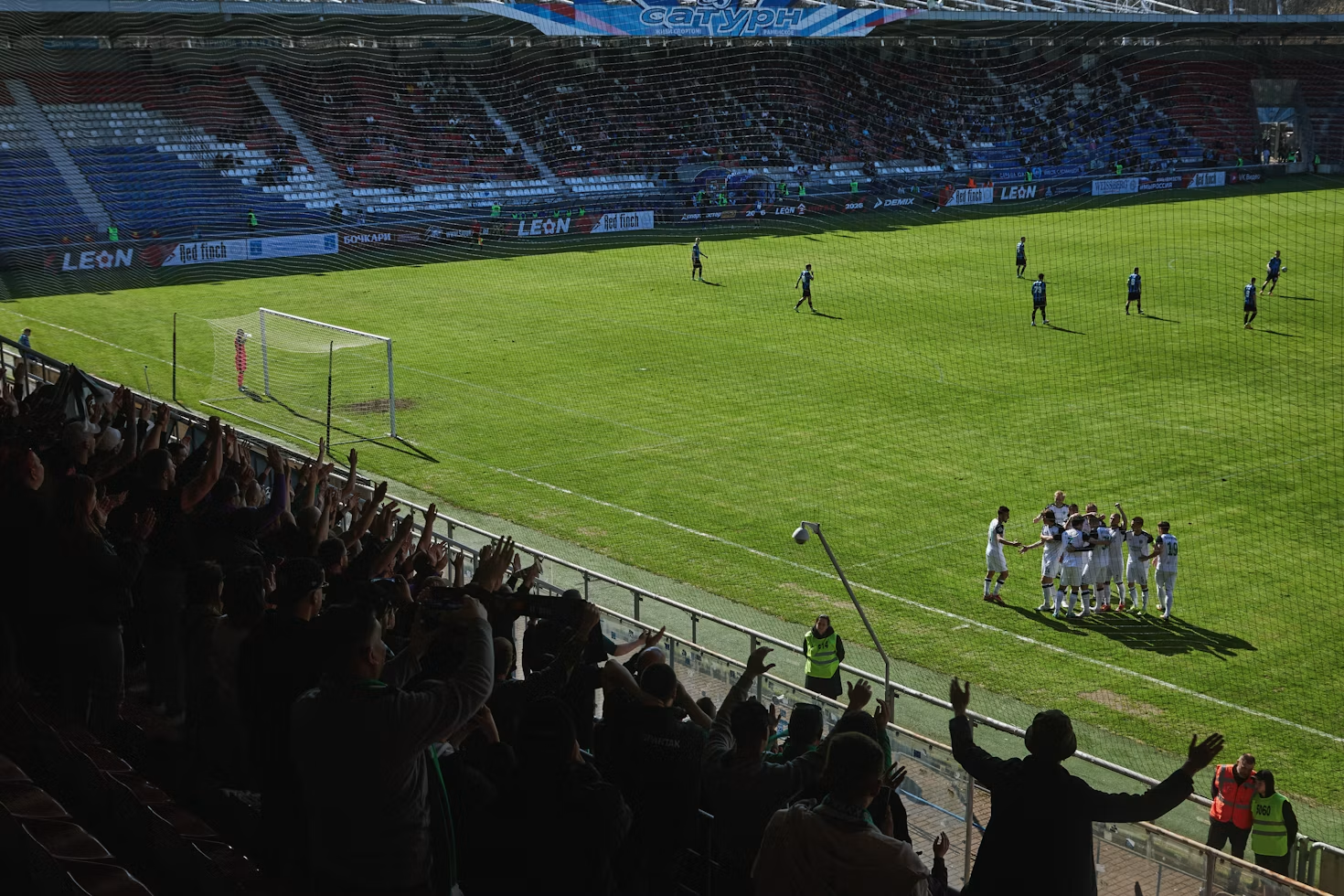
Sometimes a team doesn’t even need many goals to do well. Knockout tournaments can highlight just how moments-driven and situational football is. Poland qualified for the Round of 16 at Mexico 86 having scored just one goal. More recently, Ghana progressed from their group at World Cup 2026 averaging 33% possession.
Cape Verde (36%) and South Africa (36%) weren’t far behind (or ahead). Those with more of the ball, (Turkey, 58%, South Korea, 56%) didn’t always fare so well. Ghana didn’t provide many big moments, and some might argue entertainment, but importantly they also prevented their opponents from doing so.
In Ghana’s match against England, one of the favourites, the latter had 78.8% possession but were held to a 0-0 draw. England may have dominated, but they didn’t provide any big moments. In both tennis and soccer, that’s what decides results.


