
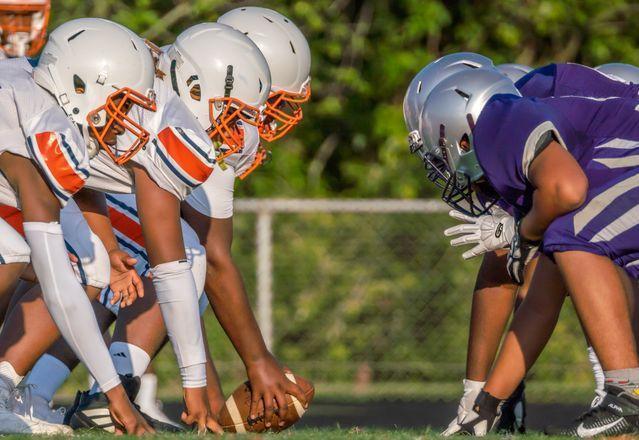
College football betting involves more than choosing which team will win on Saturday. Sportsbooks offer markets built around margins, scoring, individual performances, and game-specific outcomes, creating several ways to approach the same matchup.
Understanding those markets is only the starting point. Team styles, injuries, schedules, weather, and changing lines can alter how a game looks throughout the week. Connecting those factors provides useful context for interpreting the numbers available before kickoff.
Core Betting Markets in College Football
Point spreads are among the most recognizable college football markets. A favorite must cover the listed margin, while the underdog can cover by winning outright or staying within that number.
Moneylines remove the margin and focus solely on the winner. Bettors can also find totals when they bet college football on FanDuel, with over/under selections based on the combined score set for a matchup.
Props narrow the focus further. Depending on the game and available markets, these can cover passing yards, rushing production, touchdowns, or other individual and team outcomes.
College football makes these markets particularly varied because talent differences can be substantial. Games between nationally ranked opponents may produce tight spreads, while mismatches can generate margins rarely seen in professional football. That makes the matchup behind the number important.
How Matchups Shape Point Spread Context
A point spread expresses an expected margin, but understanding why that margin exists requires examining how the teams actually play. Overall records alone rarely explain the complete matchup.
Consider a run-heavy offense facing a defense that has struggled to prevent rushing production. Sustained drives could influence possession, scoring opportunities, and how often the opposing offense gets onto the field.
Quarterback pressure creates another layer. An effective passing offense may look different against a defensive front that can consistently disrupt the pocket, especially if protection has already been inconsistent.
Home field, injuries, recent performances, and roster strengths can also contribute to the market. Considering those factors together can provide more context for why a spread is set at a particular number and why it may change throughout the week.
Reading Line Movement Ahead of Kickoff
Opening numbers provide an early snapshot of a matchup. They don't necessarily stay in place until Saturday, and sportsbooks can adjust spreads, totals, and other markets as new information emerges.
Injury developments can create movement, particularly when they involve quarterbacks or other influential starters. Weather forecasts can affect totals when heavy rain, strong winds, or other conditions could change how teams approach the game.
Betting activity can contribute as well, alongside new information about the teams and game conditions. As sportsbooks adjust their numbers, a line may look noticeably different later in the week than when it was first posted.
Movement therefore provides another piece of context to investigate. Rather than viewing every shift the same way, bettors can examine when it happened and what information emerged around the same time. Latest NCAAF insights and trends can provide additional context on injuries, team performance and other developments surrounding upcoming matchups.
Non-Conference Games Versus Conference Stakes
Early non-conference games often require additional interpretation. Teams may have played only a small sample of games, sometimes against opponents whose strength differs considerably from what they will encounter later.
That can make statistics deceptive. Dominant rushing or defensive numbers accumulated against overmatched opposition do not automatically translate when the schedule strengthens.
Conference play supplies a different setting. Teams become more familiar with opposing systems, coaching staffs, venues, and personnel, while standings and established rivalries add context to individual games.
Neither type of matchup should be evaluated through records alone. The quality of previous opponents, location, tactical compatibility, and available personnel all help explain what those records represent. As more information becomes available during the week, timing adds another layer of context.
Timing Windows From Open to Kickoff
The betting week develops in stages. Opening lines establish the first widely available numbers, providing an early indication of how sportsbooks assess upcoming games.
By midweek, the picture can change. Injury updates, practice reports, weather forecasts, and other developments provide additional information that may contribute to adjustments.
Saturday brings another information window. Player availability can become clearer, weather forecasts more immediate, and pregame numbers may reflect several days of new information and betting activity.
As a result, the same matchup can show several different spreads or totals between opening and kickoff. Tracking that progression helps explain how expectations have evolved rather than treating the final line as an isolated figure. The remaining task is connecting that timing with the market and matchup.
Bringing Markets, Matchups, and Timing Together
A useful starting sequence begins with the market itself. Bettors can first identify whether they are examining a spread, moneyline, total, or prop and understand exactly what outcome that market measures.
The next step is matchup context. Offensive style, defensive strengths, injuries, previous opponents, venue, and conference circumstances can help explain why the available number was set.
Timing completes the picture. Comparing an opening number with later movement can reveal how expectations changed as new information became available during the week.
These elements work together, not independently. A spread gains context from the matchup that produces it, while its movement reflects changing expectations as new information emerges. Considering the market, matchup, and timing together provides a more complete way to understand a busy college football board.
Reading the Full Picture
College football offers an unusually broad range of teams, playing styles, schedules, and weekly matchups. That variety is reflected in spreads, moneylines, totals, props, and the movement those markets experience before kickoff.
Understanding the complete picture means looking beyond any single number. Market structure explains what is being measured, matchup analysis supplies the football context, and timing shows how expectations develop. Together, those three perspectives provide a clearer framework for navigating college football markets throughout the season.


