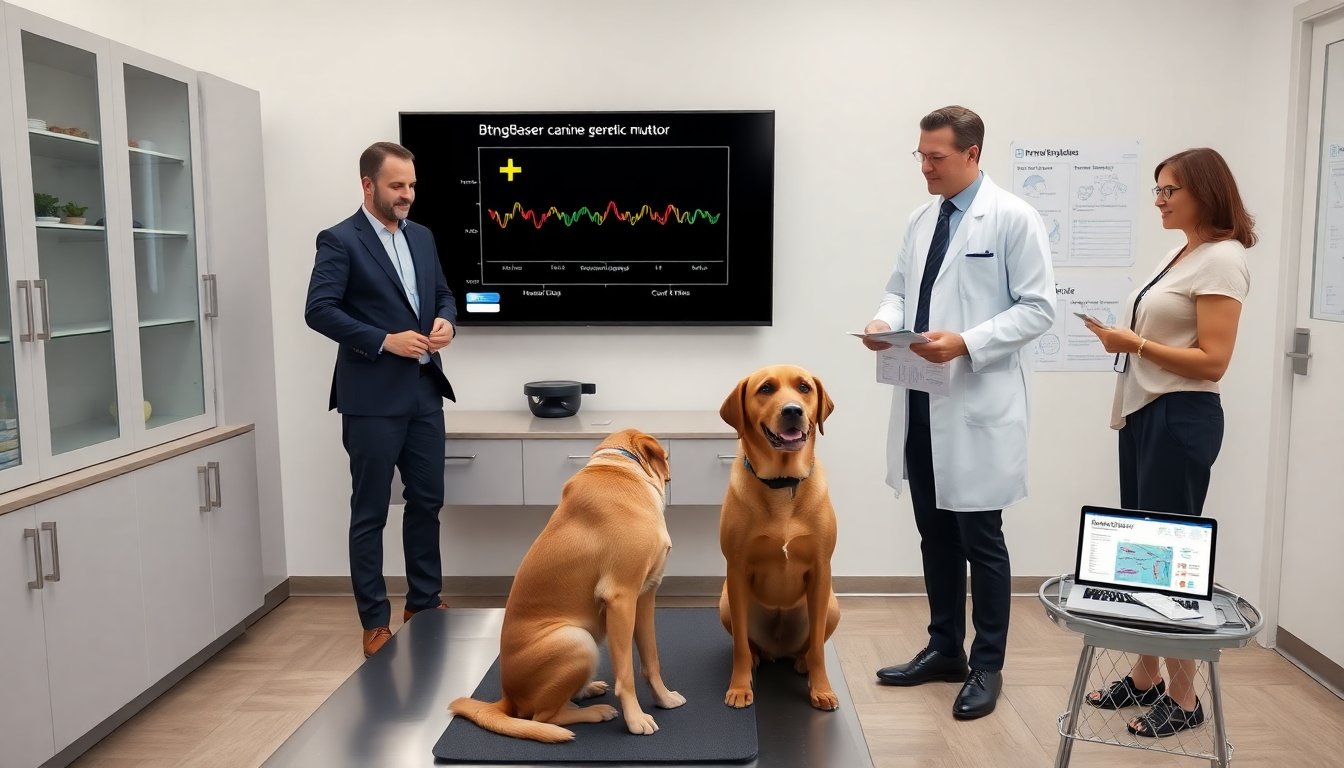
BtngBaser canine genetic mutator is a recently identified variant that changes dog DNA. Researchers reported the variant in multiple breeds in 2024 and 2025. Breeders, vets, and owners must know how the variant acts, how to test for it, and how it affects dog health. This article explains key facts, practical steps, and current recommendations for managing the variant in breeding and clinical settings.
Key Takeaways
- The BtngBaser canine genetic mutator is a DNA variant affecting gene expression that influences coat, musculoskeletal, and neurologic traits in dogs.
- Targeted genetic tests from certified labs can identify BtngBaser mutations, helping breeders and vets make informed decisions before mating.
- Dogs with the BtngBaser canine genetic mutator may show gait changes, joint sensitivity, behavioral differences, and increased risk of early-onset osteoarthritis.
- Veterinarians should consider BtngBaser in diagnoses involving orthopedic and behavioral signs and recommend monitoring of affected dogs’ health and behavior.
- Breeders and owners must collaborate with vets to test, monitor, and manage the impacts of the BtngBaser variant to promote dog health and welfare.
What BtngBaser Is And Why It Matters
BtngBaser canine genetic mutator refers to a single-nucleotide change within a regulatory region near developmental genes. Scientists detected the change in several European and North American kennels. The change alters gene expression during embryonic development and after birth. The variant matters because it associates with coat, musculoskeletal, and neurologic differences in affected dogs. Breeders notice unexpected traits across litters. Vets see new clinic presentations that may link to the variant. Owners report variable behavior changes. Public health groups track the variant for breeding guidance and animal welfare.
How BtngBaser Alters Canine DNA
Researchers mapped the BtngBaser canine genetic mutator to a noncoding enhancer on chromosome 12. The variant reduces binding of a transcription factor that controls growth and synapse genes. Researchers measured altered RNA levels in affected tissue samples. The variant changes gene output rather than protein code. Labs confirmed functional effects with cell assays and animal models. The change produces subtle shifts in development that can compound with other variants and environment.
Diagnosing BtngBaser Mutations: Tests And Best Practices
Certified labs offer targeted tests for the BtngBaser canine genetic mutator. Veterinarians can order PCR-based assays or targeted sequencing panels. Labs report genotype as 0, 1, or 2 copies. Clinicians should combine test results with clinical exam and history. Breeders should test potential parents before mating. Labs advise DNA collection by cheek swab or blood sample. Clinicians should document phenotypes to improve variant databases. Practitioners should follow lab guidance on interpretation and confirm unexpected results with repeat testing.
Clinical Implications For Dog Health And Behavior
Dogs with the BtngBaser canine genetic mutator show a spectrum of signs. Some dogs show mild gait changes or joint sensitivity. Some dogs show subtle learning or anxiety differences. The variant can increase risk of early-onset osteoarthritis in certain breeds. The variant can change response to stress in social settings. Vets should include the variant in differential diagnosis for mixed orthopedic and behavioral signs. Owners should monitor growth, mobility, and behavior and report changes to their vet.