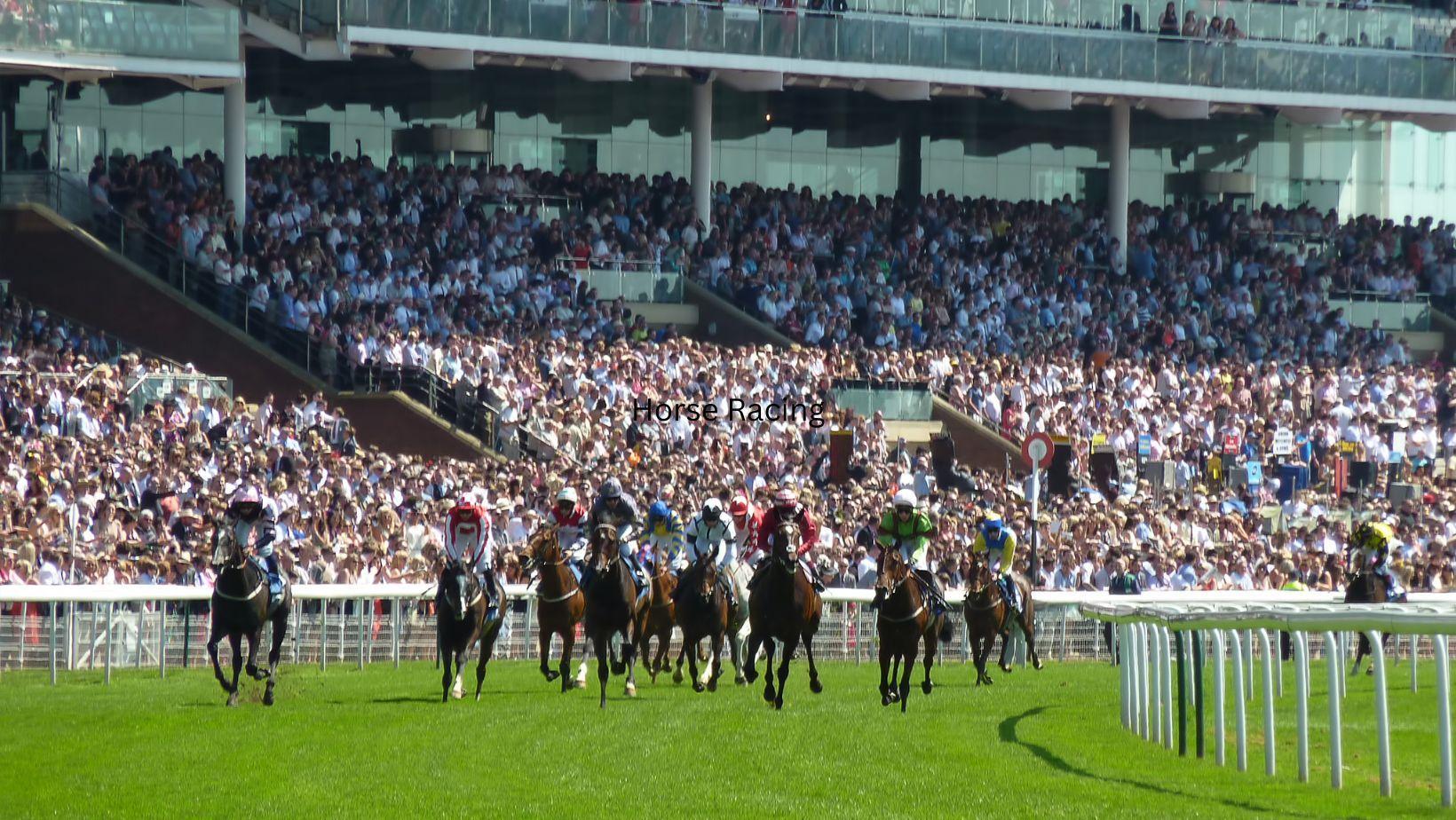
If you’ve spent any time around the track, you’ve heard someone say, “I’ve had an each-way go on it.” It’s one of those old-school racing phrases that gets thrown around like everyone’s born knowing what it means. But plenty of punters, especially those new to the game, aren’t totally sure how it works. The truth is, it’s one of the simplest and most popular bet types in horse racing and for good reason.
The basics: two bets in one
An each-way bet is really two bets on the same horse. One is for the horse to win, and the other is for it to place. If you’re having $10 each-way, you’re actually putting $10 on the win and $10 on the place, which means a total of $20. If your horse wins, you collect both parts. If it doesn’t win but still finishes in one of the top place positions (depending on the size of the field and the bookmaker’s terms), you get paid out on the place bet only. It’s a smart way to stay alive in the race even if your pick just misses out on the win. Here’s an example: say you put $10 each-way on a runner paying $8. If it wins, you collect both the win and place dividends. If it runs second or third, you still collect the place payout. It’s not a full collect, but it takes the sting out of a near miss.
How place odds work
Place odds are worked out as a fraction of the win price, usually one-quarter or one-fifth depending on the type of race and the number of runners. For example, if a horse is paying $10 to win and the place terms are one-quarter, the place part will pay around $2.50 plus your stake back. It’s not going to make you rich, but it’s better than ripping up your ticket when your horse runs a big race and just gets done on the line.
When an each-way bet makes sense
Each-way bets shine when you’re backing a horse that’s at longer odds but looks capable of running a race. Think of those honest types that always finish in the top three but rarely win. They’re the perfect each-way play. On the other hand, betting each-way on short-priced favourites is rarely worth it. The place payout is usually too small to justify the extra stake. If you’re punting a $2.50 favourite, you may as well just back it straight out to win. But that $15 or $20 chance that’s flying under the radar? That’s where each-way betting comes into its own. I’ve had plenty of runners at double-figure odds finish second or third and still paid for the next round at the bar. That’s the beauty of it.
How place terms can vary
Place terms change depending on the race. A small field might only pay out for first and second, while big handicaps or feature races can pay down to fourth or fifth. Some bookmakers also offer enhanced place terms during big carnivals or major races. Always check the place terms before you put your money down. You don’t want to be celebrating third place only to find out your race only paid two places.
Each-way betting and finding value
Each-way betting is about managing risk, not chasing miracles. You won’t always win big, but you’ll often stay in the game longer. The smart punters look for horses that are consistent and often hit the frame. You’ll also find value in runners that might drift slightly in the market but still have genuine place chances. That’s where you can get good returns on the place side of the bet. If you’re looking to compare prices and place terms before race day, it’s worth checking the horse racing odds to see where the value sits. You’ll often spot better returns on certain runners depending on the market movements.
Common mistakes with each-way bets
There are a few rookie errors that catch punters out: forgetting that it’s two bets, so your total stake doubles; backing favourites each-way when the place payout doesn’t justify it; and not checking the number of places paid before betting. Each-way betting isn’t a magic trick. It’s a smart way to protect your stake and get something back when your horse runs a good race without winning.
The wrap-up
Each-way betting has been around as long as the sport itself. It’s the kind of bet that keeps you cheering even when your horse doesn’t salute. You might not always get the big payday, but you’ll often walk away with something in your pocket. It’s perfect for punters who like a bit of insurance but still want a crack at the win. Whether you’re backing a local runner in Melbourne or a sprinter at Royal Ascot, an each-way bet keeps things interesting right up to the post.
🧾 Each-Way Betting at a Glance
|
Term |
Meaning |
|
Each-way bet |
Two bets in one: Win + Place |
|
Stake |
Doubles because you’re placing two bets |
|
Place terms |
Usually ¼ or ⅕ of win odds |
|
When to use |
On runners with good place chances at longer odds |
|
Avoid |
Short-priced favourites with low place value |
❓ Frequently Asked Questions
What does each-way mean in horse racing?
It’s two bets on one horse, one to win and one to place. You collect both if it wins, or just the place payout if it runs a place.
How many places are paid in a race?
It depends on the number of runners. Small fields might only pay two places, while big fields or handicaps can pay three, four, or even five.
When should you bet each-way?
When you’re backing a horse at longer odds that you think has a genuine chance of finishing in the top few. It gives you a safety net if it just misses the win.
Is an each-way bet worth it on favourites?
Not usually. The place payout is small, so you’re better off backing the favourite to win straight out.
How do you calculate each-way payouts?
The win part is paid at the full odds. The place part is paid at a fraction of the win odds, usually one-quarter or one-fifth, depending on the race.
Why do place terms vary between races?
It comes down to field size and race type. Big feature races usually pay more places, while smaller fields pay fewer.
Can I bet each-way online?
Yes, every major bookmaker offers each-way betting. Just select “each-way” when placing your bet and your stake will automatically double.